

Introduction: Why SIP Investing Matters More in 2026
When I began my SIP Investing journey as a working professional, the idea of SIP investing appeared to be the “boring” route among all the other possibilities of trading. There were neither thrills nor quick success stories. Nonetheless, as the experience of handling a job, trading, and real-life situations passed the test of time, I discovered one thing conclusively about SIP investing:
SIP investing is not boring. It’s powerful.
The entry-level instruments that SIP investments were in their earlier stages are now being replaced by markets that are turning increasingly volatile and time remaining an ever-shorter resource in everyone’s life. It is 2026, and the uncertain nature of inflation rates persists.
The following is a list of the top SIP investment options in the year 2026, ranging from low-risk to highly profitable investment options.
What Is SIP Investing (Simple Explanation)
SIP (Systematic Investment Plan): This is a way in which a certain sum is invested in mutual funds or similar instruments at a predetermined interval, normally every month.
Rather than trying to time the markets, SIP investments concentrate on:
- Worship
- Compounding
- Long-term consistency
• What does the future of SIP hold in the year 2026? Needless to say, the meaning of “small investors” will become
Why SIP Investing Has Changed in 2026
1. Markets Are More Volatile Than Ever
Stock market investments by AI, global news circles, and algorithms have caused volatility. SIP removes this noise from the market by rupee cost averaging.
2. Salaries and Cash Flow Are Irregular
freelancing, bonuses, variable income – SIP is more suitable for the modern income system compared to the lump sum system.
3. Time Is Limited for Most Professionals
In most cases, individuals don’t need the time to monitor markets every day. SIP plans function in the background.
SIP Investing: Impact on Finances and Lifestyle
Financial Impact
- Builds steady, long-term capital
- Reduces timing risk
- Encourages disciplined investing
Lifestyle Impact
- Reduce stress
- Less decision fatigue
- More Emphasis on Career/Skill Development
As a trader, I treat SIPs as my non-negotiable financial backbone; it balances the risk I take elsewhere.
Best SIP Investing Strategies for 2026
1. Low-Risk SIP Strategy (Capital Protection Focus)
Suitable for: Conservative Investors, New Investors, Term Investments
Allocation Focus:
- Debt Funds
- Hybrid conservative funds
- Low Volatility Index Funds
Why it works in 2026:
Protects the capital and provides returns that are greater than those of idle funds.
2. Balanced SIP Strategy (Stability + Growth)
Best for: Professionals in their 30s and 40s
Allocation Focus:
- Equity index funds
- Flexi-cap or Large-cap funds
- Exposure to mid-cap funds
Why it works: Provides balance to market growth and downside protection, great for long-term portfolios.
3. High-Growth SIP Strategy (Aggressive Wealth Building)
Best for: Young investors with long horizons and high risk tolerance
Allocation Focus:
- Mid-cap and small-cap funds
- Thematic or sectoral funds: selective
- Global Equity Exposure
Important Truth: High growth comes with volatility. The discipline of SIP is quite important here.
Why Common SIP Advice Fails
“Start Early and Forget It”
Early start is good, but overlooking the review process is not.
“More Funds = Better Diversification”
Over-diversification harms returns
‘High Returns Are Guaranteed Long-Term’
The markets are for those who are disciplined, not
Practical SIP Investing Tips for 2026
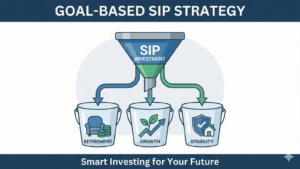
1. Align SIPs With Goals, Not Emotions
Each SIP should have an aim:
- Retirement
- Child Education
- Financial independence
This increases consistency.
2. Step-Up SIPs With Income Growth
Appraisals and bonuses should lead to an automatic raise in SIPs. This is the only habit that distinguishes mediocre investors from successful ones.
3. Combine SIP With Risk Management
As a trader, in my perspective, the SIP acts as the engine, and trading is the accelerator.
Future Risks If SIP Investing Is Ignored
Future Risks If SIP Investing Is Ignored
- Lack of stable sources of income
- Missed compounding years
- Dependence on high-risk trades
- Later financial difficulties
In 2026, non-constant investing poses a greater risk than market variability.
Conclusion: SIP Investing Is Quiet, But Powerful
SIP investment won’t give you bragging rights overnight. It will not make headlines. But in 2026, it remains one of the finest options to create wealth with no stress.
Because I am a part-time trader, I would confidently say the following:
With SIP investing, the future is taken care of while you attend to the present.
Consistency Beats excitement. Always.
NOTE: This content is for educational purposes only. No financial advice or guarantees.