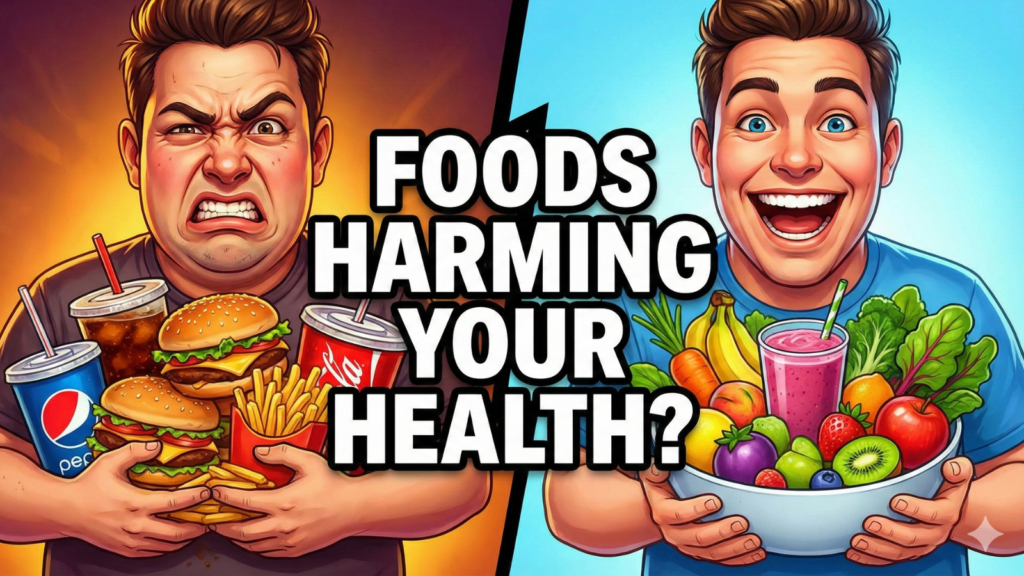
Introduction : Which Foods Are Harming Your Health
It is 2026, and our food paradigm has never been more imperative. Where processed foods, snacks with high processing, and leached components are involved, many of us are unwittingly consuming foods that do our bodies harm. It is imperative to understand which foods constitute a risk factor for us and why.
In this article, we are going to examine what foods are damaging your health, why it is so dangerous to eat these foods, and how you can learn to eat smarter.
Why This Topic Matters Today
Convenience, marketing, and technology increasingly drive diets in modern times. Many packaged foods are engineered to taste irresistible but can have several negative affects on metabolism, heart health, and longevity over time.
As nutrition experts would tell you in 2026, chronic diseases such as heart disease, type 2 diabetes, and obesity are generally associated with usual eating patterns rather than with single meals. It is what you eat day in and day out that counts more than the occasional cake.
Understanding which foods are detrimental to your health empowers you to make better choices, averts future health problems, and enables you to enjoy improved energy levels and mental clarity.
What Does “Harming Your Health” Really Mean?
When we say a food hurts your health, it doesn’t always show immediate ill effects. Foods that lead to slow and steady damage include:
- High blood sugar levels – from drinks and snacks
- Inflammation – ultra-processed oils and additives
- Weight gain and metabolic stress – from highly refined carbs
- Cardiovascular strain: Foods high in sodium or trans fats
Health experts in the year 2026 look beyond immediate satiety or caloric content, instead focusing on nutrient-rich foods that promote long-term health.
Main Foods Harming Your Health in 2026
1. Sugary Drinks and Energy Drinks
Sweet beverages are still one of the most underrated risk factors. One can of carbonated drink is enough to cause a sudden spike in blood sugar, develop insulin resistance, and lead to weight gain. Energy drinks are often high in caffeine as well as sugar.
Pro Tip: Substitute sodas with infused water, herbal teas, or sparkling waters to cut back on hidden sugars.
2. Ultra-Processed Food
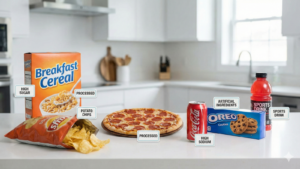
Chips and cookies are package foods that are specifically engineered to be chock-full of flavor. They are heavy on refined flour and sugar and hydrogenated oils. Such components cause increased levels of inflammation and delay the development of a person’s metabolism.
Why Common Solutions Fail: Some people opt for “low-fat” and “diet” yogurts that may contain artificial sweeteners. These can affect gut health and metabolism.
3. Refined Grains and White Bread
White bread, pastries, and other refined carbohydrates can be easily digested, resulting in high insulin levels in the bloodstream. This can lead to an outbreak of insulin resistance and fat accumulation in the body.
The best substitutes for wheat are whole grains, oats, quinoa, and legumes.
4. Highly Processed Meats
Sausages, bacon, and processed meats tend to be high on sodium, preservatives, and nitrates. In 2026, research links such foods to cardiovascular stress and disease risk.
PRO: Moderate consumption, with fresh, unpackaged meat or vegetable sources as substitutes.
5. Foods Containing Artificial Sweeteners
In addition, many people still consider diet sodas, low-calorie desserts, and candies labeled ‘sugar-free’ as healthy choices. However, recent research has pointed out that artificial sweeteners can disrupt gut microbiota, increase sugar cravings, and further alter metabolic responses.
Modern Insight: Food items, even those labeled as “zero-calorie,” indirectly make one add weight or have metabolic problems.
6. Fast Food & Deep Fried Foods
Fast food is convenient food; however, trans fatty acids and high salt content are found in fried food and burgers. This contributes to cholesterol imbalance and inflammation.
Pro Tip: SET Limit consumption of fast food. Prepare healthier versions in your own bakery or air fryer.
7. Packaged Sauces & Condiments
Many sauces, ketchup, mayonnaise, and salad dressings are high in sugar, preservatives, and refined oils. These foods can quietly contribute to high sugar and unhealthy fat levels despite the meal being healthy.
Why Common Solutions Often Fail
Rely on “low-fat” or “diet” labels alone; the hidden sugars or artificial additives are still there.
Skipped on Fresh Foods: Diets are dominated by convenience foods, adding less fiber, vitamins, and antioxidants.
Not keeping track of cumulative intake is the problem; while it’s okay to splurge every now and then, consuming processed foods on a daily basis accumulates over months and years.
In 2026, the key will be to practice mindful, informed eating-not necessarily strict avoidance. Technology, apps, and wearable nutrition trackers can facilitate the monitoring and reduction of exposure to noxious foods.

Practical Tips to Reduce Harmful Foods in Your Diet
- Whole Foods such as fruits, vegetables, grains, and beans should come first.
- Check the labels for hidden sugar, salt, and artificial additives.
- “Cook At Home” – It helps to considerably control overall risks to health because when you cook in your home
- Use Smart Apps – nutrition trackers in 2026 will have the capacity to analyze food, recommend food replacements, as well as offer real-time information.
- Gradual transition: Doing away with one unhealthy item of diet at a time.
Conclusion: Small Changes, Big Impact
Awareness is the first step toward better health. In 2026, avoiding foods that harm your health is not about extreme dieting; rather, it is an informed, mindful choice. Anything that changes, even as small as switching from sodas to water or from white bread to whole grains, can reduce the risk of major long-term diseases by as much as a half.
Your body is your most precious possession; take care of it, invest time and money in healthy nutrition, and appreciate gradual changes that will serve you for the rest of your life.
NOTE: This is for educational purposes only. Not medical advice. Consult a doctor for health concerns.