Reduce Stress with This #5 Activity Everyone Overlooks in 2026
Introduction
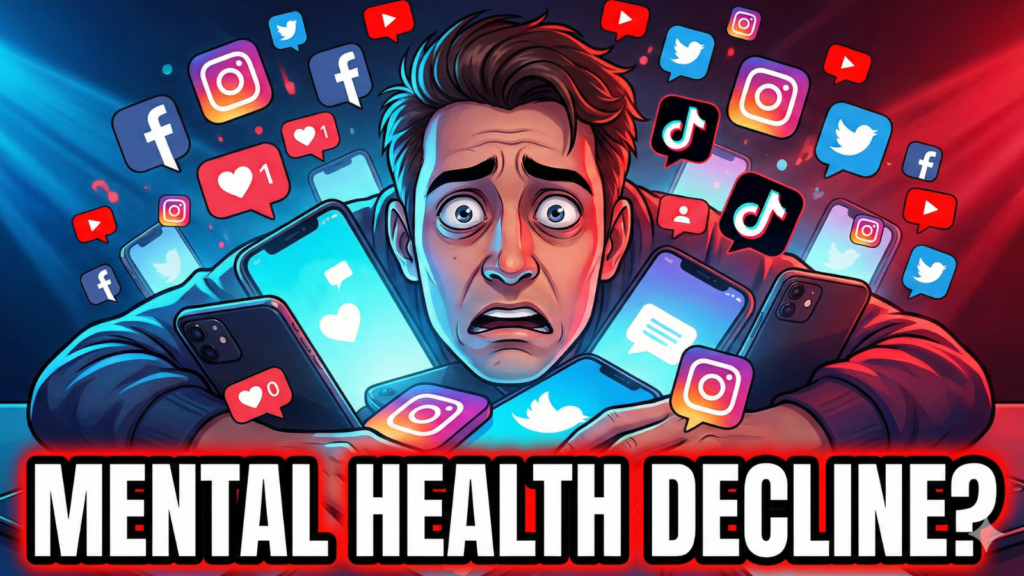
The quiet hum of Reduce stress became just background noise in our modern lives. We’re more productive, more connected, and more informed than ever in 2026-but simultaneously totally mentally exhausted. Most people who try meditation apps, productivity hacks, supplements, or weekend escapes in order to reduce stress still feel overwhelmed.
What if the solution is not something new?
What if it’s something very simple—something that most of us just ignore every single day?
This article will outline one often-overlooked activity that constantly helps lower stress, shows why it works, and how to realistically use it in today’s digital-first lifestyle.
Why Reduce Stress Feels Harder in 2026
Reduce Stress in the year 2026 is not the same as it was a decade ago.
It’s not about deadlines and obligations. It’s:
- Constant notifications
- Blurred boundaries between work and
- Digital comparison culture
- Mental overload without physical release
Even in rest, the brain remains occupied. Silence is replaced with scrolling. Calmness with content. Consequently, the stress buildup doesn’t dissipate, it accumulates.
This is exactly why many popular methods of relieving stress are ineffective. They are seeking to offer some kind of remedy to a situation rather than fix what is truly causing it.
The #5 Overlooked Activity That Actually Reduce Stress
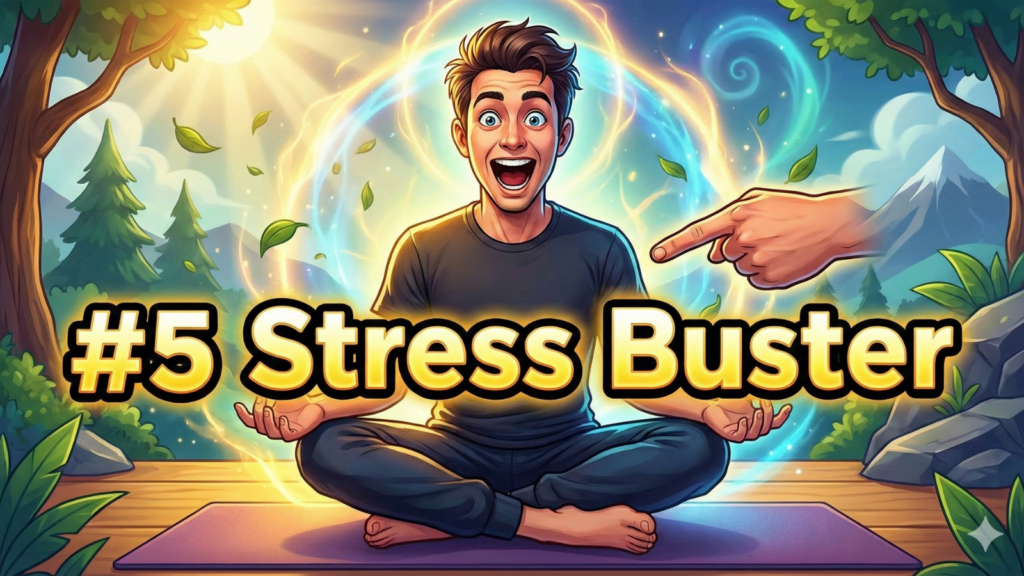
Walking Without Your Phone (Undistracted Walking)
Yes – Walking
But not fitness walking.
Not step-count walking
And by all means, not scrolling and
Undistracted walking is the act of walking while
- Your phone
- Music
- Podcasts
- Calls
- Notifications
You, your action, and your environment.
It’s almost too easy. That is why it is overlooked.
Why This Simple Activity Works So Well
Undistracted walking is a technique that acts on several levels simultaneously, which is extremely rare among stress-reduction methods.
1. It Transmits Safety Signals to the Nervous System
When you walk with a relaxed pace, without any stimuli, the body moves from the fight-or-flight response.
Heart rate decreases.
Breathing comes naturally.
Muscle tension releases.
This has the direct effect of decreasing stress by quieting the nervous system instead of simply distracting it.
2. It Clears Mental Noise Without Forcing Calm
Meditation is a task that requires effort. Undistracted walking is not.
Your thoughts slow down automatically in conjunction with the rhythmic motion of your body. There is no requirement to “empty your mind.” Tranquility occurs NATURALLY.
This is particularly helpful if a person feels that meditation is a difficult or frustrating practice.
3. It Restores Attention Span
Attention is fragmented in 2026 by design. It is fragmented by bite-sized video content, by updates that are instantaneous, by
Walking without your cell phone conditions your brain to:
Walking without your cell phone
- Remain present
- Respond, do not react
- Start thinking in bigger, smoother loops
This mental “reset button” is an important key to managing and relieving long-term stresses.

The Science-Backed Benefits (Explained Simply)
Research on exercise and mental health indicates that low-intensity exercise, when coupled with mental stillness, produces dramatic effects.
Undistracted walking helps:
- Lower cortisol, the stress hormone
- Improve mood regulation
- Reduce symptoms of anxiety
- Sleep better
- Increase emotional clarity
Unlike the heavy workouts, it doesn’t put more stress on the body; rather, it gently brings balance back.
Why Common Reduce Stress Solutions Often Fail
Meditation Apps Feel Like Just Another Task
Lots of people quit meditating because it seems like one more thing they have to do right.
Stress relief should never be a chore.
Scrolling can be mistaken for Relaxation
People think scrolling is a way to relax. Scrolling actually keeps the brain engaged and alert.
The consequence Mental fatigue without recovery.
Weekend Breaks Don’t Fix Daily Stress
Weekend Getaways Do Not Provide a Solution to Daily Stress Problems
Short escapes are useful, but stress patterns are back on Monday.
“Undistracted Walking” is successful because it is integrated with daily life, not just with vacation activities.
How to Practice This Activity the Right Way
Step 1: Time over Distance
This is not about steps or calories.
Start with:
- 10-15 Minutes
- Once or twice a day
Consistency rather than duration matters.
Step 2: Leave the Phone Behind (or Silent)
If it’s a safety issue that requires you to carry your phone, you should do so on silent mode and keep it hidden.
There will be no checking. This boundary is essential
Step 3: Walk Slower Than Usual
Speed Increase stress.
Slow walking tells your brain there’s no emergency. Let your pace be relaxed, not rushed.
Step 4: Allow the Thoughts to Arise and Pass Away
Don’t fight your thoughts. Don’t analyze them.
Simply notice:
- Sounds
- Locomotion
- Light
- Breathing
This automatically minimizes stress due to such passive awareness.
Why Reduce Stress Matters More in the Future
By late 2026 and beyond, the main stress factor at work will shift and be complemented because stress will no longer be generated only in the working environment
Undistracted walking is future-proof, which means
- It does not use apps
- It costs nothing
- It works regardless of age or fitness level
- It replenishes what digital life depletes
Because of the rapid advances taking place in technology, there will be a great need for activities that bring the mind and body together.
Real-Life Example
A working professional using 9-10 hours of screen time daily replaced scroll time with a 20-minute undistracted walk.
within three weeks:
- Sleep improved
- Anxiety decreased
- Emphasis was placed
- There was a decrease in emotional
No supplements. No apps. Just consistent phone-free walking.
Conclusion: Reduce Stress Doesn’t Have to Be Complicated
It’s 2026.
The best antidote for stress doesn’t lie within a secret app interface, a dietary supplement, or some productivity gimmick.
It’s in removing stimulation, not increasing it.
Undistracted walking is effective because it takes into account the nature of the human mind as it has evolved—that is, through movement, presence, and
Begin small. Remain consistent.
Your nervous system will thank you.
NOTE: This is for educational purposes only. Not medical advice. Consult a doctor for health concerns.