
Introduction
I Reduced Screen Time before bedtime for better sleep. Here are my personal experiences, tips, and the actual techniques that worked for me.
My own sleep pattern had been perfectly normal for as long as I could remember. I had gone to bed at a “reasonable” hour and turned the lights off.
But it didn’t.
Usually, I’d lie in bed scrolling, whether it was messages, videos, whatever, and I’d tell myself, “Just five more minutes.” And then five minutes became forty.
I wasn’t facing any bothersome issue with my sleep, but my sleep patterns were becoming lighter and irregular. It was then that I understood the need for some change in my screen behaviors, particularly with my nightly habits.
In sharing this experience, I can recount the ways that I cut back on screen time and the results that I observed for myself.
Disclaimer: This article reflects personal experience and general lifestyle changes. It is not medical advice.
Understanding My Screen Time Problem
Prior to implementing any changes, personal habits have been observed.
What I observed was:
- Using a phone immediately before sleep seemed like something that happened automatically
- The last thing my eyes saw every night were the screens.
- Notification checks even after the lights when turned off.
- “My mind stayed active longer than it should.” This line refers to the fact
The problem wasn’t screens during the day – it was screens before bedtime.
1. Awareness (without tracking apps)
I did not set up any applications to track screen use.
Rather, I asked:
- Am I grabbing my phone due to a need or habit?
- Do I feel relaxed or stimulated after scrolling?
- “Would I sleep if the phone wasn’t right next to me?”
Even awareness brought a decrease in unnecessary use.
Step 2: Establishing a “No-Screen Buffer” Zone Before Bed
The greatest change I implemented was so simple:
No screens 45-60 minutes before bedtime.
Not perfectly, of course. Not every day. But constantly.
During this period, I replaced screen time with:
- Light Stretching
- Reading Book
- Create Task List for Next Day
- Sitting quietly without stimulation
This buffer system allowed my mind to slow down on its own.
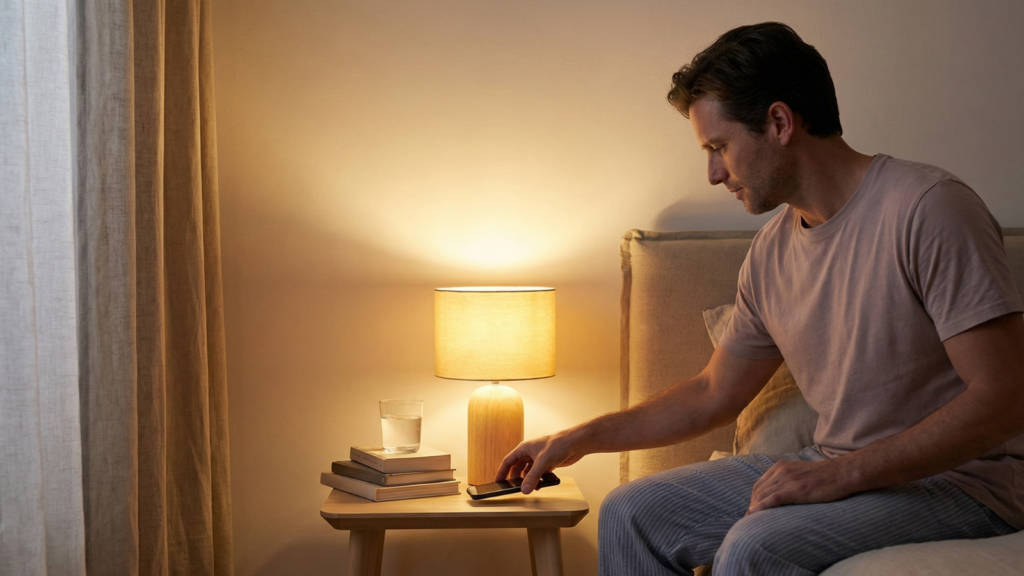
Step 3: Keeping the Phone Away From the Bed
This was a surprisingly big change.
I Started This Things :
- Plugging my charging into another Room or not near my bed
- Using a simple alarm clock
- Blocking notifications about “just checking”
Without the phone in reach, scrolling was out of the question, and the temptation dissipated more quickly than expected.
Step 4: Reducing Night Notifications
I didn’t go extreme. I just:
- Muted notifications for non-essential applications Like Media Apps
- Turned off notifications for social Media Apps Like Instagram , Snapchat & Facebook after evening hours
- Retained only the Important calls active
There was an odd comfort in the silence itself.
What I Noticed After Reduced Screen Time
This is where honesty counts.
What improved:
- It was easy to fall asleep
- My thoughts were less jumbled in the evenings
- Night rest was felt to be deeper
- I woke up more refreshed
What didn’t magically change:
- No immediate perfect sleep
- Sleeping without any fixed routine throughout the entire night
- But occasional restless nights still occurred.
Overall , I found my sleep pattern was becoming more natural.
Why Screens Interfere with Sleep (Explained Simply)
Based on general research :
- Screens keep the brain active
- Endless Content – Delaying Natural Rest Cues
- “Late-night scrolling keeps thoughts racing.” – Reports
A reduction in screen time allowed my mind to relax.
Common Mistakes I Avoided
These errors often lead people to stop TOO EARLY:
- Cutting screens too aggressively
- One Night Results.
- Guilt felt for one slip-up on the diet
- Replacing phone with another screen Like Laptop, TV
Consistency was more important than perfection.
How This Habit Fit Into My Daily Life
That being a man, with responsibilities of work and life, I learned one thing:
Reducing screen time did not take time; it gave time back.
I noticed that the peace of my evenings was more Calmer and peaceful.
Simple Tips If You Want to Try This
If you’re starting out:
- Start Your Day With screen-free after waking up
- Keep the phone out of reach
- Replace scrolling by engaging in low-stimulation activities
- Be patient with yourself.
They are more easily maintained.
Final Thoughts
Reducing Screen Time didn’t solve problems in my life, but it certainly helped with how my nights were feeling.
Sleeping no longer became an ordeal for me
It was a state of quieter thinking for
And evenings became a thing that I looked forward to again. “Better sleep often requires less, rather than more, activity.”
Related Health Habit Article : My 30-Day Walking Routine & What I Noticed
NOTE: This is for educational purposes only. Not medical advice. Consult a doctor for health concerns.