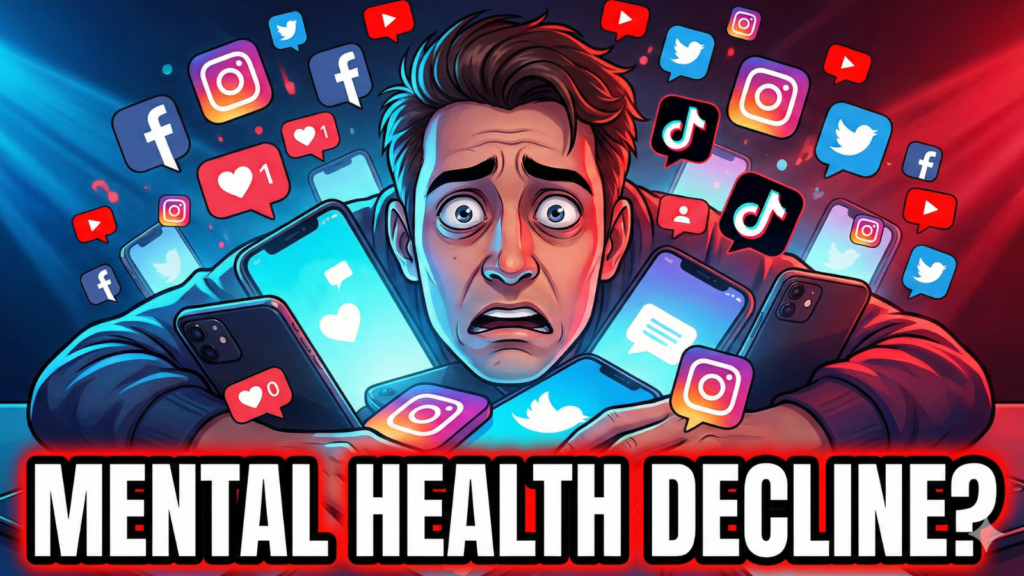
Stress and a heavy schedule are not the only reasons for sleeping problems in 2026; on the contrary, many sleep on time, sleep for hours, and wake up feeling tired, not focused, and mentally dull.
Lurking in the shadows of this developing issue is blue light.
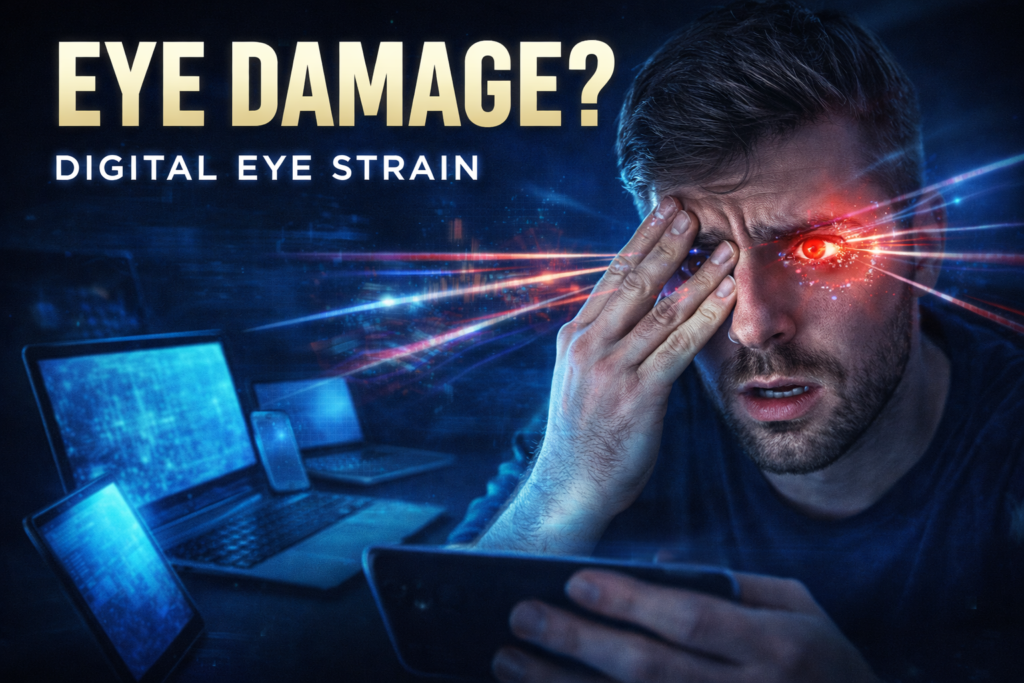
From smartphones and laptops to LED lights and smart TVs, the exposure to blue light has gradually become unavoidable. While technology has made life easier, at the same time, it started quietly creating a disturbance in the sleep cycles and hormonal balance of mankind.
Below is an explanation of how deeply linked Blue Light and Sleep are, why this issue is getting worse in 2026, and what you can actually do to protect your health.
What Is Blue Light? (Simple Explanation)
Blue light is a high-energy visible light emitted by:
- Smartphones
- Laptops and tablets
- LED Bulbs
- Televisions
- Smart home lighting
Blue light during the daytime makes us stay alert and awake. It also enhances concentration and reaction time.
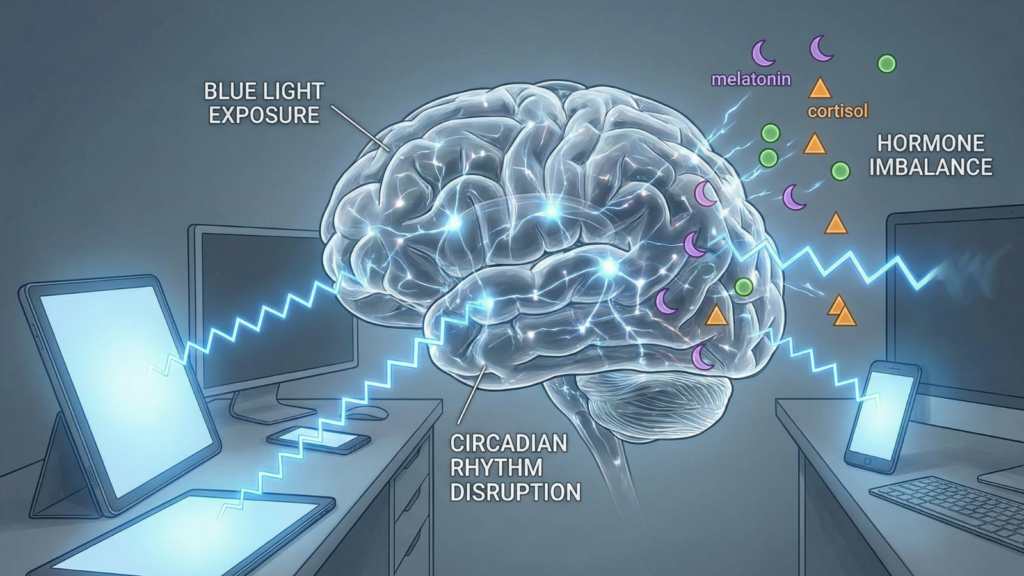
However, the issue begins when the exposure continues past sunset. Your brain recognizes blue LED light as daylight even while it is midnight.
Why Blue Light and Sleep Problems Are Worse in 2026
1. Increased Screen Dependence
In 2026, screens are involved in almost all activities:
- Work-from-home setups
- OTT channels
- online learning
- Social media and messaging
Individuals can spend up to 10 to 12 hours a day in front of screens, and many will end their day by scrolling through their screens in bed.
2. Late-Night Digital Habits
2. Digital Behavior in the Late
The following activities should be avoided at night since they keep the brain busy and awake:
- Checking notifications
- Watching reels
- Alert
- Involved
- Emotionally stimulated
This impacts the brain in such a way that it is not able to enter its wind-down process, which leads to sleep.
3. Artificial Lighting Everywhere
Today, houses make use of LED lights, which emit blue rays. Indoor lighting systems can affect circadian rhythms when done late at night.
How Blue Light Affects Sleep
Melatonin Suppression
Melatonin is the substance responsible for inducing sleep.
Blue light exposure in the evening.
- Inhibits melatonin secretion
- Sleep onset is delayed
- Affects sleep quality
This is why you may feel sleepy during the day and alert at night.
Disrupted Circadian Rhythm
Your body has an “inner clock” called the “circadian rhythm.”
In cases when exposure to blue light remains late at night:
- Sleep Timing Shifts
- Deep sleep reduces
- REM Sleep Is Shortened
As a result, there will be lack of sleep.
How Blue Light Disrupts Hormones
You have got sleep and hormones that really do connect. When sleep suffers, hormones usually follow.
1.Cortisol Imbalance
Poor sleep elevates cortisol, the stress hormone.
High night cortisol:
- Keeps your body in stress mode
- Prevents deep recovery
- Anxiety and restlessness increased
2. Insulin and Metabolism Issues
Sleep disturbances impact the sensitivity of insulin.
This can result in:
- Increased Hunger
- Nighttime Cravings
- Weight Accumulation Over Time
3. Testosterone and Growth Hormone Reduction
Poor sleep decreases the following in men:
- Testosterone levels
- Muscle Recovery
- Energy and motivation
Signs and Symptoms You Can Relate To
Lots of people do not even know blue light emissions are the issue.
Common symptoms include:
- Difficulty falling asleep
- Light, unrefreshing sleep
- Morning fatigue
- Brain fog during the day: Brain fog is
- Moods and Irritability
- Late-night alertness
If so, it can definitely relate to exposure to blue light and disrupted sleep patterns.
Why Common Sleep Solutions Fail
People try to:
- Sleeping pills
- Melatonin supplements
- Meditation apps
These may relieve them for the time being, but they don’t treat the root cause: constant exposure to blue light.
You cannot fix a biological problem while still feeding it every night.
Practical Solutions to Reduce Blue Light Damage
1. Develop a Digital Curfew
Set a strict rule:
- No screens an 60 to 90 minutes before bedtime
This permits an increase in melatonin.
2. Enable Night Mode and Blue Light Filters
Enable
- Night Shift (iOS)
- Night Light (for Android and
These filter blue wavelengths but are not an alternative for screen time restrictions.
Factors influencing/methods of
3. Turn to Warm Lighting at Night
Use:
- Warm Yellow Bulbs
- Low intensity bedside lamps
Do not use bright LED light after the sun has set.
4. Night Scrolling: Shift Excess Scrolling Activity to
More appropriate options:
- Reading in physical books
- Light stretching
- Journaling
- Breathing deeply
These act on the nervous system to calm and not stimulate.
Future Health Risks If Blue Light is Ignored
Related to chronic sleep disturbance by the year 2026:
- Hormonal disorders
- Anxiety and Depression
- Metabolic diseases
Blue light emission may appear harmless in the present, but the long-term effects are alarming.
Conclusion
Misuse is the enemy, not technology itself.
Knowledge of how blue light and sleep are linked puts control of your health in your hands. Small changes to your routine will help sleep quality, hormonal imbalances, and energy levels.
“Protect your nights, and your body will protect you back.”
NOTE: This is for educational purposes only. Not medical advice. Consult a doctor for health concerns.