EV Sector Challenges and Opportunities: What’s Next for Electric Mobility?
The EV Sector Challenges is among those industries that show the fastest growth rates today, but growth does not come without its own set of challenges. While electric vehicles promise sustainable mobility, reduced emissions, and smarter transportation, several challenges must be overcome if the sector is to realize its full potential. As a keen enthusiast of technology who follows electric vehicle technology and real-world adoptions, understanding challenges and opportunities alike is crucial for consumers, investors, and innovators alike.
Why EV Sector Challenges Matter
Although the EV industry is rapidly growing, EV adoption is not necessarily widespread. This is due to factors that might inhibit growth in EV adoption, including insufficient charging infrastructure, the current cost of EVs, as well as battery supplies. It is crucial to point out these inhibitive factors not only to devise ways to address them but also to look for areas that need innovation.
Key Challenges Facing the EV Sector
1. Charging Infrastructure Constraints
Although the growth in the use of EVs continues to accelerate, the charging infrastructure remains spotty, mainly in non-urban areas. Owners in rural or Highway areas suffer from the problem of “range anxiety,” as an individual with an EV may not be able to reach the charging point before the battery runs out. Development of a fast-charging infrastructure ranks high in their list.
2. High Upfront Costs
Although EVs have economical operating costs, purchasing one has been relatively expensive in comparison to conventional vehicles. Cost-effective batteries, thanks to technological advancement, have contributed to a reduction in costs, though affordability still lags behind.
3. Battery Supply and Material Constraints
Batteries in electric vehicles use lithium, cobalt, and other rare-earth materials. Batteries could be driven by shortages in the supply chain, which could increase costs and drive up production time. Solid-state batteries could be an alternative that could overcome these challenges.
4. Standardization & Interoper
Currently, there is no full standardization of EV charging infrastructure around the world. This is due to the various connectors, voltage, and methods of payment that cause confusion and inconveniences to users. Standardization is needed to facilitate the seamless adoption of EVs.
5. Issues Regarding the Environment and Recycling
Though EVs are environmental friendly, there are environmental issues associated with the recycling and disposal of batteries. It is important for EVs to have efficient recycling processes in place.
Opportunities Driving EV Sector Growth
Be that as it may, despite these challenges, the sector is really full of opportunities, building it as one of the most dynamic markets:
1. Innovations in Battery Technology
Next-generation batteries with higher energy density, faster charging, and a longer life will overcome many of the hurdles that still exist today. Of those, solid-state batteries hold a particularly game-changing future for range and safety.
2. Building the Scale of Charging Networks
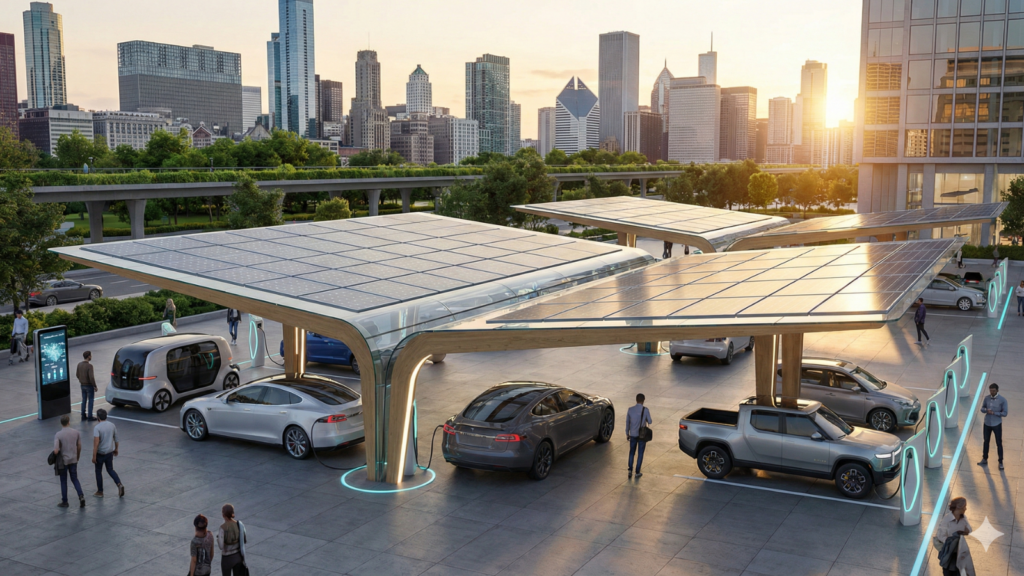
Governments and private companies are investing widely in charging infrastructure, including ultra-fast chargers and solar-powered stations. A wide network dispersal will solve range anxiety and encourage more adoptions.
3. Corporate and Fleet Electrification
EVs for delivery, ride-hailing, and public transportation systems will be increasingly adopted over the coming decade in pursuit of carbon reduction commitments. Fleet electrification builds a stable demand for the vehicles and related technologies from suppliers and investors.
4. Smart Mobility Integration
EVs: EVs will be integrated with AI-based navigation, energy-efficient routes, and intelligent grids. Smart city transportation solutions will provide optimal traffic flow, environmental efficiency, and optimized urban transportation.
5. Investment in Renewable Energy
Integrating the use of EVs and renewable energy sources such as solar and wind-powered charging stations develops a sustainable transport ecosystem. This is a challenge and a great opportunity for green investors and innovators.
Real-World Impacts for Users and Industry
Challenges and opportunities in the EV industry impact the following stakeholders:
- Consumers : Benefit from lower running costs and more intelligent cars but also find it difficult to access convenient charging points.
- Car Makers: Innovation required on battery technology, car efficiency, and pricing.
- Investors: Can invest in battery manufacturing, charging infrastructure, and smart mobility.
- Cities: Need to develop infrastructure concerning charging, the energy network, and green mobility.
Common Myths About EV Sector Challenges
Even with the progress, misconceptions still linger:
Myth 1: EVs are not practical in rural areas.
Fact: Increasing charging infrastructure along with longer-range batteries is also finally making EVs viable outside urban areas.
Myth 2: The production of car batteries is fully green.
Fact: Battery production does have environmental impacts, but it increasingly can be alleviated through recycling and renewable-powered manufacturing.
Myth 3: The adoption of EVs is going to replace traditional jobs.
Fact: The EV sector opens up new, high-tech opportunities in software, battery, and infrastructure.
FAQ Section (People Also Ask Optimized)
Q1: What challenges exist in the world of electric vehicles?
A: Key issues are the cost of charging infrastructure, battery costs, material supply, and standardization of the charging system.
Q2: Are there any opportunities available to investors in EVs?
A: They could focus on battery R&D, charging infrastructure, electrified fleets, and smart mobility services.
Q3: What are the implications of EV challenges to the customer?
A: This could be due to range anxiety or higher cost of ownership, although increased infrastructure and lower operating costs make it more attractive.