Introduction: The AI Tools vs Human
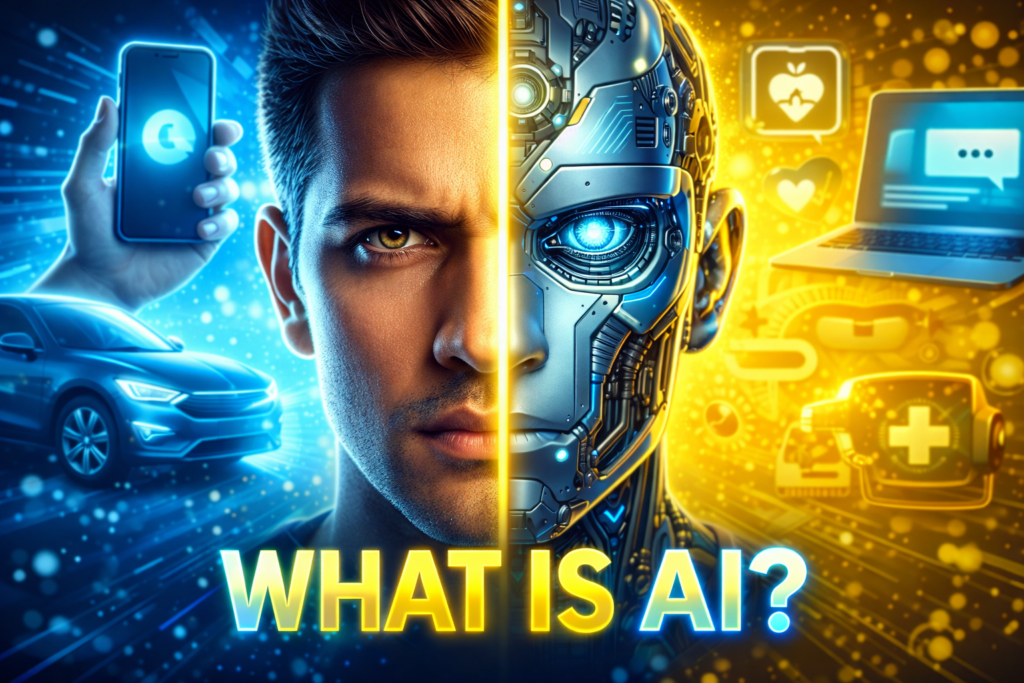
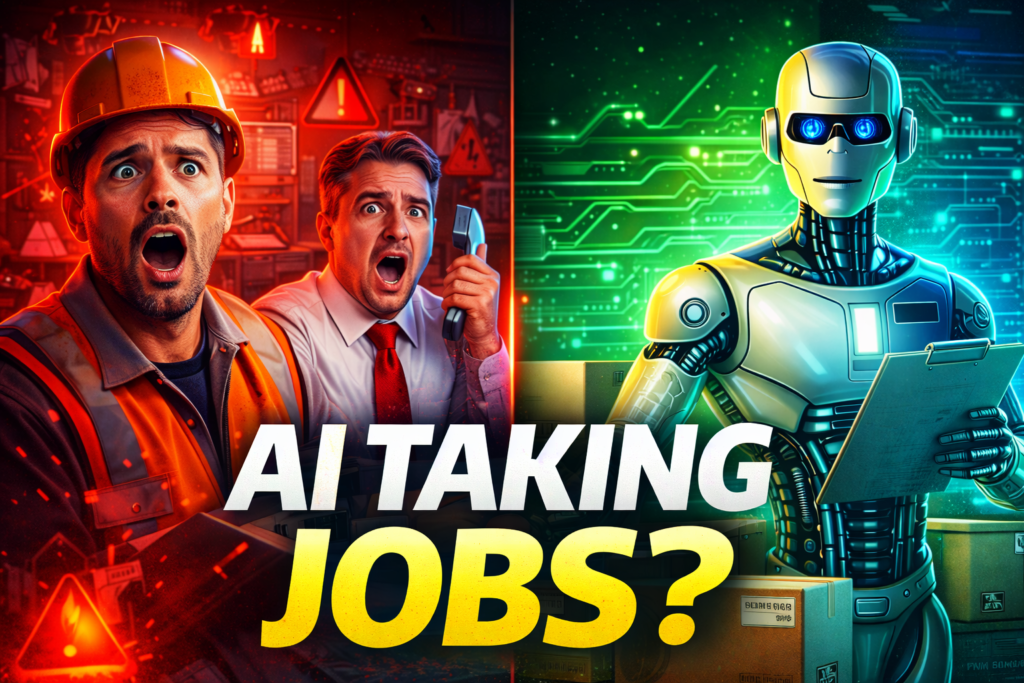
In 2026, the question of artificial intelligence in the workforce has shifted from “Will AI Tools replace humans?” to “How can AI tools complement and enhance human work?” While traditional jobs are being transformed by AI, the narrative does not rest on wholescale replacement; it’s collaboration, efficiency, and human-AI synergy.
While human skills are unmatched in aspects like creativity, empathy, and ethical decision-making, AI tools outcompete them in speed, pattern recognition, and automation. This distinction should be well known to each professional who is facing today’s changing work environment.
AI is not a threat; it is a tool to rethink productivity, workflow, and professional impact in ways previously unimaginable.
How AI Tools Are Changing the Job Landscape
AI tools have begun to affect more and more traditional roles; still, this is relative. Detailed is what happens in 2026:
1. Automation of Repetitive and Routine Tasks
- Administrative roles: Scheduling, invoicing, and basic reporting can be handled efficiently by AI tools.
- Customer support: AI-powered chatbots and virtual assistants answer queries, enabling human agents to focus on complex problems.
- Data Entry and Processing: AI automatically sorts, cleans, and prepares data for analysis without errors.
Human Advantage: Volume and Consistency handled by AI; Judgment, Decision-making, and Strategic Planning are handled by the human element.
2. Redefining Innovation and Knowledge Work
- Content creation: These kinds of tools help to write, summarize, and edit the texts.
- Visual Design: Canva AI is used to resize, automatically determine layouts, and even create thumbnail images.
- Research and analysis: The AI technology combines data from various sources to generate insights.
Human Advantage: Where such creative direction, understanding, and storytelling are still the domain of human capabilities.
3. Transforming Professional Services
- Finance and accounting: Most aspects include reconciliations, predictive financial modeling, and the auditing process, which AI automates.
- Healthcare administration: AI applications coordinate patient recordkeeping, provide preliminary diagnoses, and schedule appointments.
- Legal research: The AI identifies relevant case law and generates document drafts, saving hours of routine work.
Human Advantage: Interpretation, ethical judgment, and making decisions require human intelligence and experience.
4. Drive Productivity Across Teams
- Collaboration tools include AI-powered project management software that summarizes meetings, deadlines for assignments, and workflow improvements.
- Decision support: AI supplies the managers with scenario analysis, risk assessment, and even trend forecasting.
- Augmentation of skills: Professionals grasp more quickly with the help of AI through learning, simulation, and summarization of knowledge.
Human Advantage: Humans retain control of priorities, culture, and standards within an organization.
5. Creating New Opportunities
Although there are some traditional jobs that are being automated, there are jobs that are being developed because of AI:
- Artificial intelligence prompt engineering and workflow design
- Roles involving AI ethics and enforcement
- Collaborative strategists, human
- Data literacy and AI integration professionals
The future employee is expected to be even more AI proficient, think critically, and be adaptable.
Tips for Professionals Adapting to AI Tools
- Develop AI literacy. This involves understanding how the various AI tools work and how they should be utilized in the workplace.
- Emphasize uniquely human skills: While creativity, emotions, and ethics cannot be programmed, other skills should be.
- Leverage the power of AI to increase efficiencies: Apply the use of AI to automate many tasks.
- Adopt Continuous Learning: In order to be ahead of the competition, it is essential that you stay informed about the various AI developments and technologies
- Team with AI: Use AI as an agent, not an adversary, to achieve maximum productivity and innovation.
Future-Ready Mindset: Humans and AI Working Together
Professionals in 2026 who succeed are those who think with their AI, not with their AI in mind. Some of the principles include:
- Editorial and ethical judgment: Aligning AI-generated content to organizational values.
- Creative and strategic thinking: AI processes patterns; humans innovate.
- Cultural and Emotional Intelligence : AI does not possess empathy, context, and experiences, which require human input.
Artificial intelligence technology is an amplifier; it is never a substitute. The future labor market will be characterized by human collaboration with artificial intelligence, which amplifies efficiency, creativity, and insight.
Conclusion: A Tech Lover’s Perspective
AI tools in 2026 are transformative but not threatening. They change traditional jobs by automating repetitive tasks, enabling faster research, and streamlining workflows—but humans remain at the center of creativity, ethics, and decision-making.
It’s not humans versus AI; it’s humans with AI, leveraging technology to innovate, strategize, and create impact on a scale never before possible. It is here that professionals will thrive in a landscape of efficiency, insight, and human intelligence, combined with cutting-edge AI tools.
Treating AI as a collaborator, 2026 is the starting point for a new phase of productivity and professional evolution.