Introduction: Why Credit Cards Deserve a Fresh Look in 2026
By 2026, credit cards are not just plastic means of paying for something. They lie at the heart of modern spending, digital finance, subscriptions, travel rewards, and even credit scoring. Having been a working professional and traded part-time, I’ve seen both sides of credit cards: how they can quietly improve financial efficiency, and how they can slowly destroy cash flow if misused.
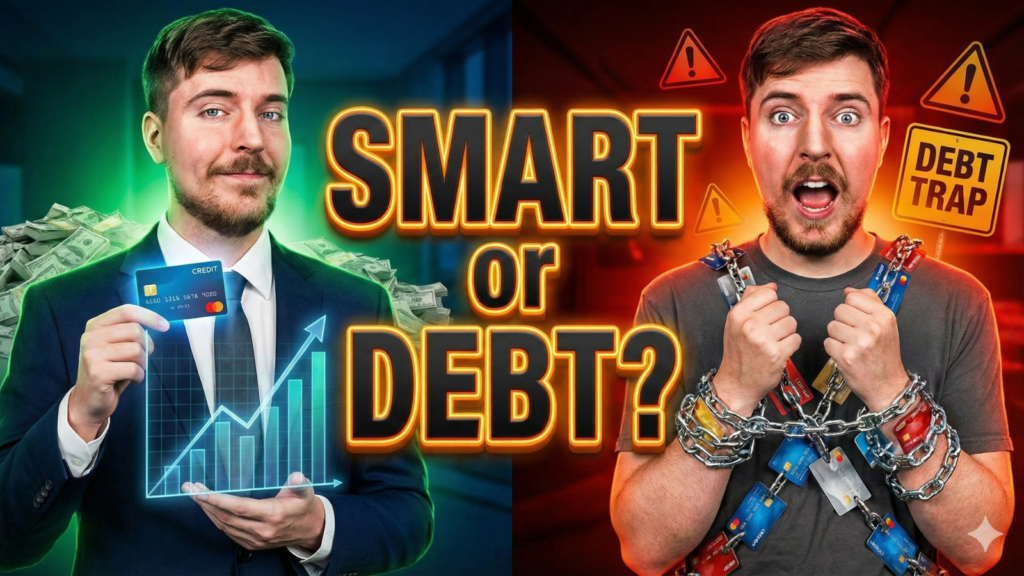
The debate is not new: Are credit cards smart financial tools or dangerous debt traps?
The real answer comes in the using, not whether you have them on or not. Credit cards are like leverage in trading; they amplify behavior. Used with discipline, they work for you. Used emotionally, they work against you.
In this blog, the truth about credit cards in 2026-with no fear, no hype, and a clear financial lens-is broken down.
Understanding Credit Cards in Simple Terms
A credit card is a short-term loan that doesn’t charge interest—but only if you use it properly
You take a loan from the bank for a short period of time (30-50 days). If you repay the whole before the time is over:
- You pay zero interest
- You establish credit history
- You get rewards and benefits
If you do not:
- Interests compound quickly
- Debt snowballs stealthily
- Financial strain rises
This explains why credit cards cannot be said to be either good or bad by their nature.
Why Credit Cards Are More Powerful in 2026
By 2026, credit cards are deeply integrated into:
- UPI and digital wallets
- Subscription-based lifestyles
- Travel, fuel, and cashback ecologies
- Access to finance-based credit score
Banks now reward:
- On time payments
- High credit scores
- Consistent use patterns
Poor discipline is punished by high interest rates and charges.
Real Data Chart: Credit Card Usage Reality
📊 Credit Card Repayment Behavior (Average Users)
| User Type | Pay Full Amount | Carry Balance | Interest Paid |
|---|---|---|---|
| Disciplined Users | 72% | 0% | ₹0 |
| Occasional Missers | 18% | Partial | ₹2,000–₹6,000/year |
| Chronic Revolvers | 10% | High | ₹15,000+ /year |
Key Insights : This is because credit cards reward discipline and punish delay, much as markets reward patience and punish emotional decisions.
When Credit Cards Are a Smart Financial Tool
1. Cash Flow Management
Credit card can help equal out or manage the flow of cash when one’s revenues and expenses don’t exactly match.
As a trader, I never allocate investment funds to meet short-term obligations. Credit card is helpful in segregating:
- Liquidity needs
- Investment funds
- Acreage funding
It is underrated and potent.
2. Credit Score Building
In 2026, the following are affected by your credit
- Loan interest rates
- Rental Approvals
- Premium Card Eligibility
- Even insurance premiums
Using a credit card is one of the quickest and most secure methods for establishing credit.
3. Rewards, Cashback, and Travel Benefits
Since you would end up spending the cash, it makes sense that you’d earn
SMART users earn:
- CASHBACK on Utilities and Groceries
- Travel miles and lounge access
- Firewood and food discounts
The key rule: Never overspend for rewards.

When Credit Cards Turn Into a Debt Trap
1.Minimum Due Mentality
Paying only the minimum due amount is the quickest route to debt.
Interest compounds monthly, often topping 35–45% a year. That’s worst than most bad trades.
2. Lifestyle Inflation
Credit cards mask the pain of spending. Subscriptions, dining, travel-everything seems affordable until the bill shows up.
This is emotional spending masquerading as convenience.
3. Utilization of Credit Cards for Emergency Savings
This is dangerous.
Credit cards are not sources of emergency funds. Let me repeat: credit cards are backup sources of funds, not safety nets
“Actual emergencies require real savings.”
The Trading Mindset Applied to Credit Cards
As a trader myself, rules are to be followed by me. Credit card call for the same sense of discipline too.
Personal rules:
- Do not exceed 30% credit utilization
- Pay in full before due date
- All EMIs for depreciable assets will be
- Rewards do not affect spending choices
Rules like these help credit card work for me, not against me.
Future Risks If Credit Cards Are Ignored or Misused
Omitting credit card altogether:
- Slows credit score improvements
- Restricts access to finance
- Misses optimization for reward functions
Using credit card improperly:
- Causes hidden high-interest debt
- Amplifies stress and burnout
- Damages long-term financial goals
By the year 2026, personal finance tools are no longer optional but rather a necessity.
Conclusion: Credit Cards Are Amplifiers—Not Villains
“Credit card do not cause poor spending habits but reveal them.”
Used with structure, they:
- Enhance cash flow.
- Establish credit history
- Reward smart spending
Used thoughtlessly, they:
- Multiply debt
- Breaks mental peace
- Postpone wealth generation
In 2026, credit card are not heroes but also not villains.
They are financial amplifiers. Practice them diligently, like trading or investing: and they too will be working behind you instead of working against you on your long-term financial journey.
NOTE: This content is for educational purposes only. No financial advice or guarantees.