In 2026, exhaustion has a new face.
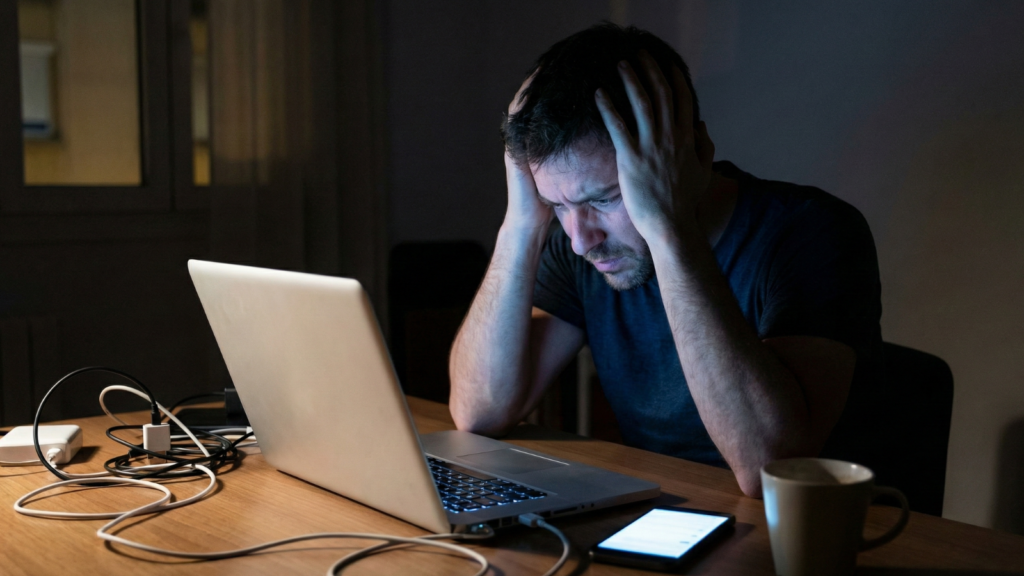
It is not due to bodily exertion or the lack of sleep, but rather, people feel their mental capacity drained even after resting, eating well, and working less than previous generations.
This constant mental tiredness has a name: Digital Burnout
If your brain is constantly feeling overloaded, fuzzy, or emotionally numbed, you are not alone. Digital burnout has quietly become one of the most significant health and lifestyle challenges for this decade.
What Is Digital Burnout? (Easy Explanation)
Digital Burnout: It is a condition where one experiences constant feelings of exhaustion as a result of exposure to screens.
Occurs when your brain:
- Never really experiences downtime
- Is processing notifications, content, and decisions constantly
- Remains in “alert mode” for the majority of the day
While regular fatigue will dissipate when you take a nap, digital fatigue will not necessarily fade when you take a nap or go to sleep. It takes time to develop and impact the way you think, feel, and function
Why Digital Burnout Is Increasing Rapidly in 2026
1.Excessive Screen Time without Recovery
Work, leisure, communication, and education – everything takes place on screens.
Even when we are ‘relaxing,’ we are,
- Scrolling
- Watching
- Responding
- Reading Information
The brain never turns off entirely.
2. Information Overload and Decision Fatigue
Every day, we make hundreds of micro-decisions online:
- What to watch
- What to give feedback
- What to click
- What not to include
This leads to decision fatigue, whereby the brain feels tired even before the day is over.
3.Over Dopamine
Apps are designed to keep users occupied in the following ways:
- Likes
- Notifications
- Brief videos
- Endless feeds
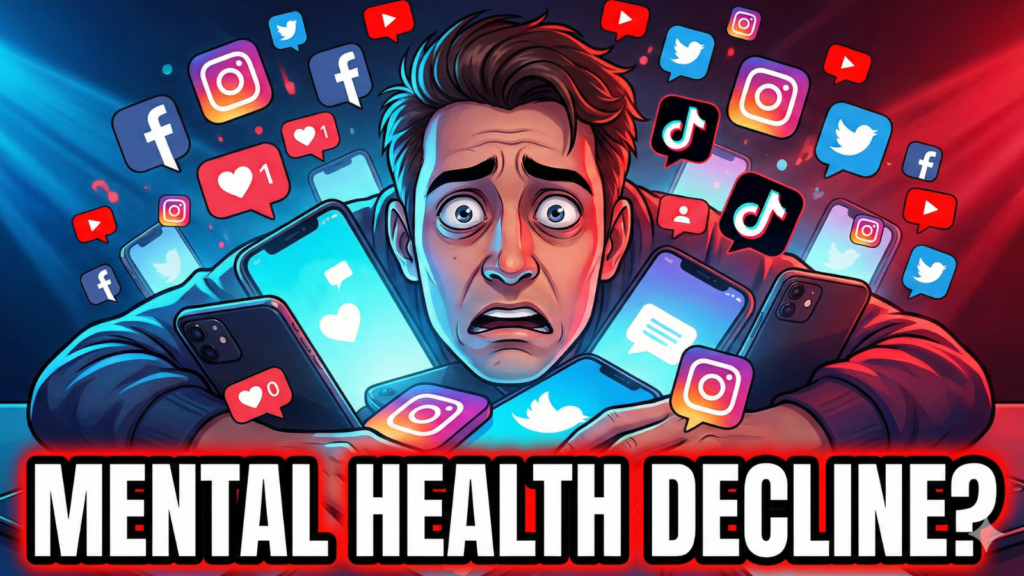
Eventually, the brain becomes overstressed and less sensitive, and this causes mental numbness and tiredness.
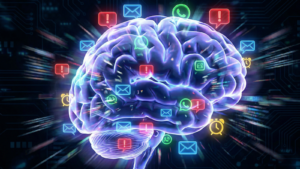
How Digital Burnout Affects Your Brain
Loss of Focus and Clarity of Thought
Indeed, one of the first symptoms noticed in digital burnout is brain fog.
You will realize:
- Difficulty concentrating
- Forgetting basic things
- Slower thinking
This occurs due to the lack of in-depth rest for your brain.
Emotional Exhaustion
Digital burnout influences emotional regulation.
People often feel that
- Irritable for no apparent reason
- Anxiety not triggered by any particular situation
- Overwhelmed mentally when there are minute tasks.
This isn’t weakness; it’s neurological overload.
Physical and Lifestyle Impact of Digital Burnout
Digital burnout does not just remain in the brain. Slowly, it impacts the body.
Some common physical symptoms are:
- Headaches
- Neck & Shoulder Tension
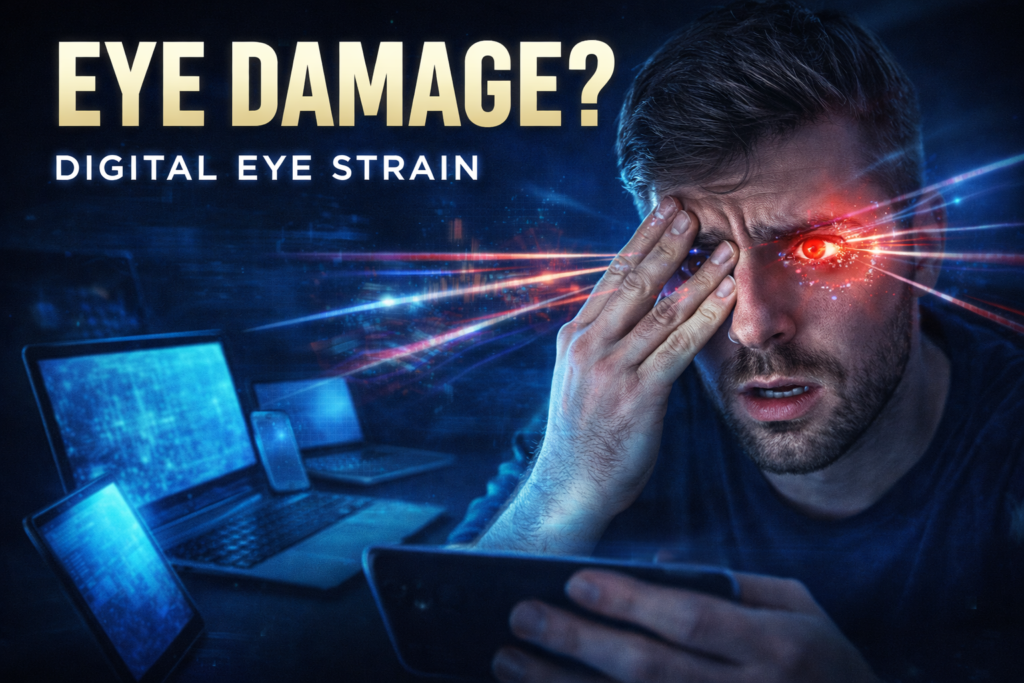
- Eye strain and dryness
- Low energy despite rest
- Poor Posture and Stiff Muscles
Signs and Symptoms You Shouldn’t Ignore
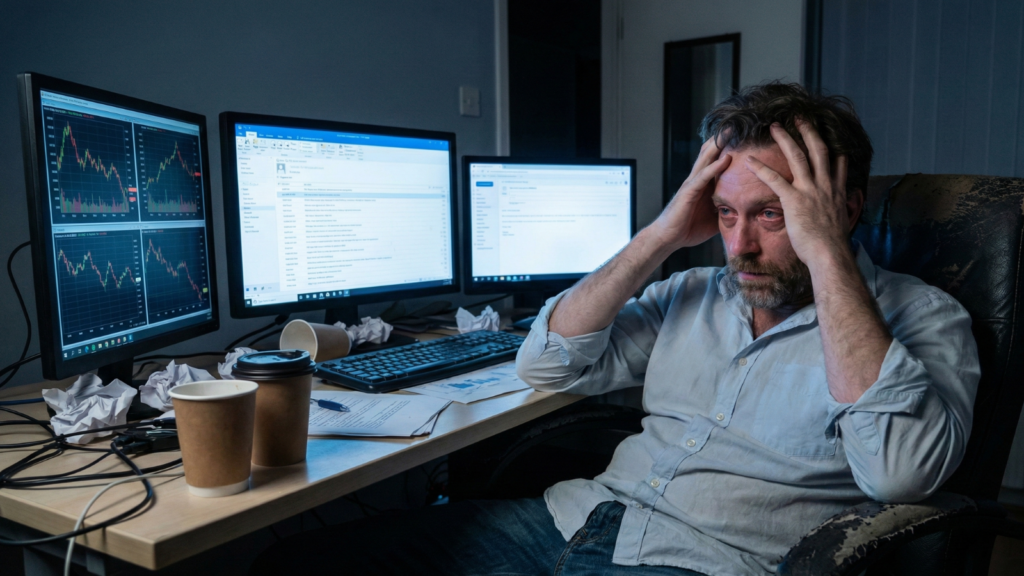
Many individuals rationalize digital burnout without necessarily knowing it.
Watch for these signs
- Feeling tired throughout the entire day even after getting adequate sleep
- Constant urge to check the phone
- Lack of motivation in offline pursuits
- Difficulty enjoying things you once liked
- Psychological burnout following minimal effort
These are not personality traits – they are warning signs.
Why Common Solutions Don’t Work
Many people try:
- Sleeping more
- Drinking Caffeine Product
- Taking short breaks
However, digital burnout is not solely the result of inadequate sleep.
It is a result of cognitive stimulation with no boundaries. Sleep is necessary for resting the body. However, the brain requires offline time with limited stimulation.
Practical Ways to Recover From Digital Burnout
1. Digital Burnout Setting ( Not Digital Detox )
You don’t have to leave technology, you just have to limit it.
Begin with:
- No screens 60 minutes before bedtime
- Disable non-essential alerts
- Activity: No Phone Use
Consistency is more important than intensity.
2. Practice Single
It helps the brain regain its natural rhythm of concentrating on one task at a time.
Improvement:
- Attention span
- Memory
- Lack of mental calm
3. Beginning the Reintroduction
“Boring” activities that need to be done are, in fact, healing for:
- Walking without headphones
- Physical book reading
- Stretching or Yoga
- Writing or journaling
Future Risks If Digital Burnout Is Ignored
By 2026, digital burnout and its effects include:
- Chronic anxiety: Each
- Long-term focus challenges
- Emotional numbing
- Less creativity and productivity
If left unchecked, it may develop into serious mental ailments.
Conclusion
Your brain is not dysfunctional in any way
Digital Burn-Out Isn’t Failure—But a Call for Balance in Your Brain. Simple, small, everyday changes can make you feel more alert, more focused, more in control. Technology is supposed to add to your life, not subtract from it.
FAQ: digital burnout in 2026
1. What is digital burnout?
“Digital Burnout is a form of mental exhaustion that results from prolonged exposure to screens, as well as information overload and constant stimulation from technology.”
2. Is there a possibility of effects on physical health due to
Yes. This may result in conditions such as headaches, muscle spasms, poor sleep, fatigue, and posture disorders.
3. How long does recovery from digital burnout take?
Mild cases will see improvement in 2–3 weeks of strict digital boundaries. Severe cases can take a few months of lifestyle changes.
NOTE: This is for educational purposes only. Not medical advice. Consult a doctor for health concerns.